Takvime Bağlı Tam Süreç Yönetimi
Akademik yıl başında onaylanan akademik takvim sisteme tanımlanır; tüm işlemler bu takvime göre otomatik olarak planlanır ve yürütülür.
Corporate automation that digitizes all student affairs operations on a single platform, from academic calendar to course registration, from exam management to diploma and transcript processes.
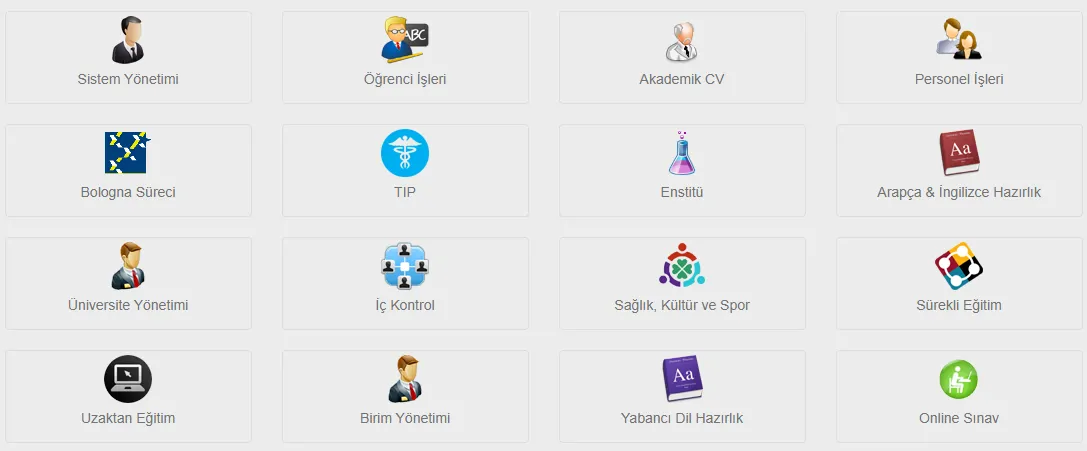
Öğrenci İşleri Otomasyonu; akademik takvim, birim ve program yapıları, ders–sınav yönetimi, diploma ve belge süreçleri ile tüm öğrenci işlerini uçtan uca dijitalleştirir. Üniversite, fakülte, enstitü ve MYO düzeyinde ölçeklenebilir bir yapı sunar.
Akademik yıl başında onaylanan akademik takvim sisteme tanımlanır; tüm işlemler bu takvime göre otomatik olarak planlanır ve yürütülür.
YÖK sisteminden gelen verilerle başlayan süreç, kayıt yenileme, ders alma, not ve mezuniyet aşamalarına kadar kesintisiz bir veri akışı sağlar.
Öğrenciler, akademisyenler, öğrenci işleri personeli ve üniversite yönetimi; kendi rollerine uygun panolarla sisteme erişir.
Stratejik plan göstergeleri, kalite süreçleri ve yönetim kurulu raporları için detaylı ve izlenebilir veri üretir.
Akademik takvimin onayı, birimlerin tanımlanması ve derslik–fiziksel yapıların oluşturulması, tüm öğrenci işleri süreçlerinin temelini oluşturur.
Every step, from course taking periods to exam weeks, is managed with a system-controlled and reportable flow.
Transfer of students who have accepted the university from the YÖK system to the Ubys structure; Automatic updating of the consulting relationship every period.
Automatic control of students' course taking processes by the system according to prerequisites, credits and program rules. and instant reporting.
Sınav takviminin oluşturulması, sınav salonlarının planlanması, gözetmen atamaları ve sınıf/derslik bazlı öğrenci yerleştirmeleri.
Akademisyenlerin not giriş ekranları; eksik not girişlerinin tespiti, uyarılması ve ilgili birimlere raporlanması.
Sınav tekrarları, bütünleme süreçleri ve not itirazlarının sistem üzerinden yönetilmesi; tüm sürecin kayıt altına alınması.
Students follow their entire academic journey on a single panel: courses, grades, absences, documents and exam processes become transparent.
Öğrenciler; ders bazlı notlarını, dönem ortalamalarını, devamsızlık durumlarını ve başarı trendlerini anlık görebilir.
Weekly course schedule, exam location and times; It is presented with a calendar view in the student panel.
Ders ve program bazlı anketlere katılım; kalite süreçlerinde öğrenci sesini sistematik hale getirir.
Öğrenci belgesi, transkript, askerlik belgesi vb. talepler; çevrim içi başvuru ve takip ekranları ile yönetilir.
Akademisyenler için ders, sınav, not ve devamsızlık süreçlerini sadeleştiren; aynı zamanda danışmanlık ve raporlama yetenekleri sunan bir yapı.
Yönetim kurulu kararlarından diploma basımına, transkript ve resmi belgelere kadar tüm çıktı süreçleri denetlenebilir hale gelir.
Student Affairs Automation; It provides an uninterrupted and secure structure by working integrated with other TOKU modules and external systems.
Data exchange with YÖK, authentication systems and other corporate systems; regular backup and recovery plans against data loss.
Öğrenci İşleri; Eğitim Yönetim Sistemi, Mezun Bilgi Sistemi, Etkinlik Yönetimi ve Sürekli Eğitim Merkezi modülleriyle entegre çalışır.
Sistemin kesintisiz ve sorunsuz çalışması için izleme, loglama ve alarm mekanizmaları; erişim ve yetkilendirme güvenliği.
Öğrenci, akademisyen ve öğrenci işleri panellerinden; ders programı, sınav takvimi, not giriş ve rapor ekranlarından örnekler.
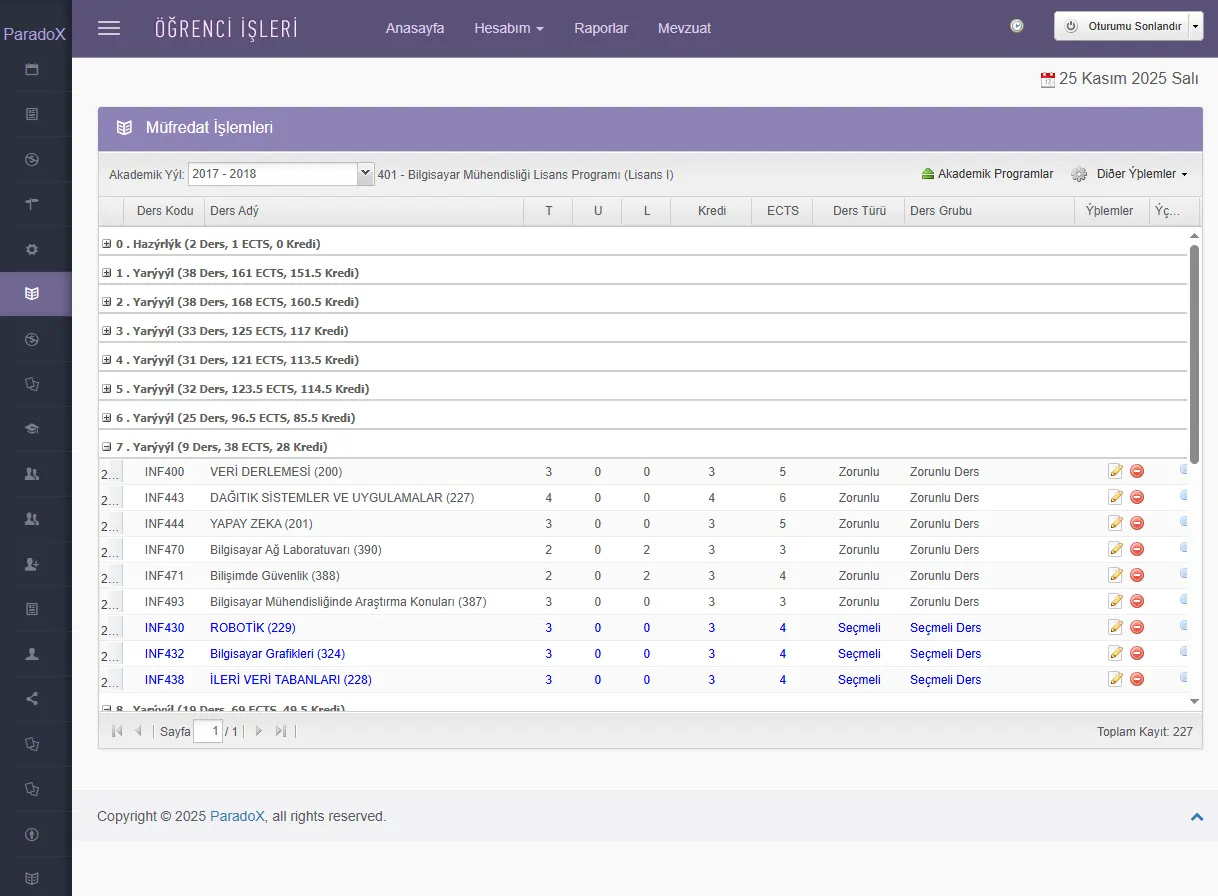
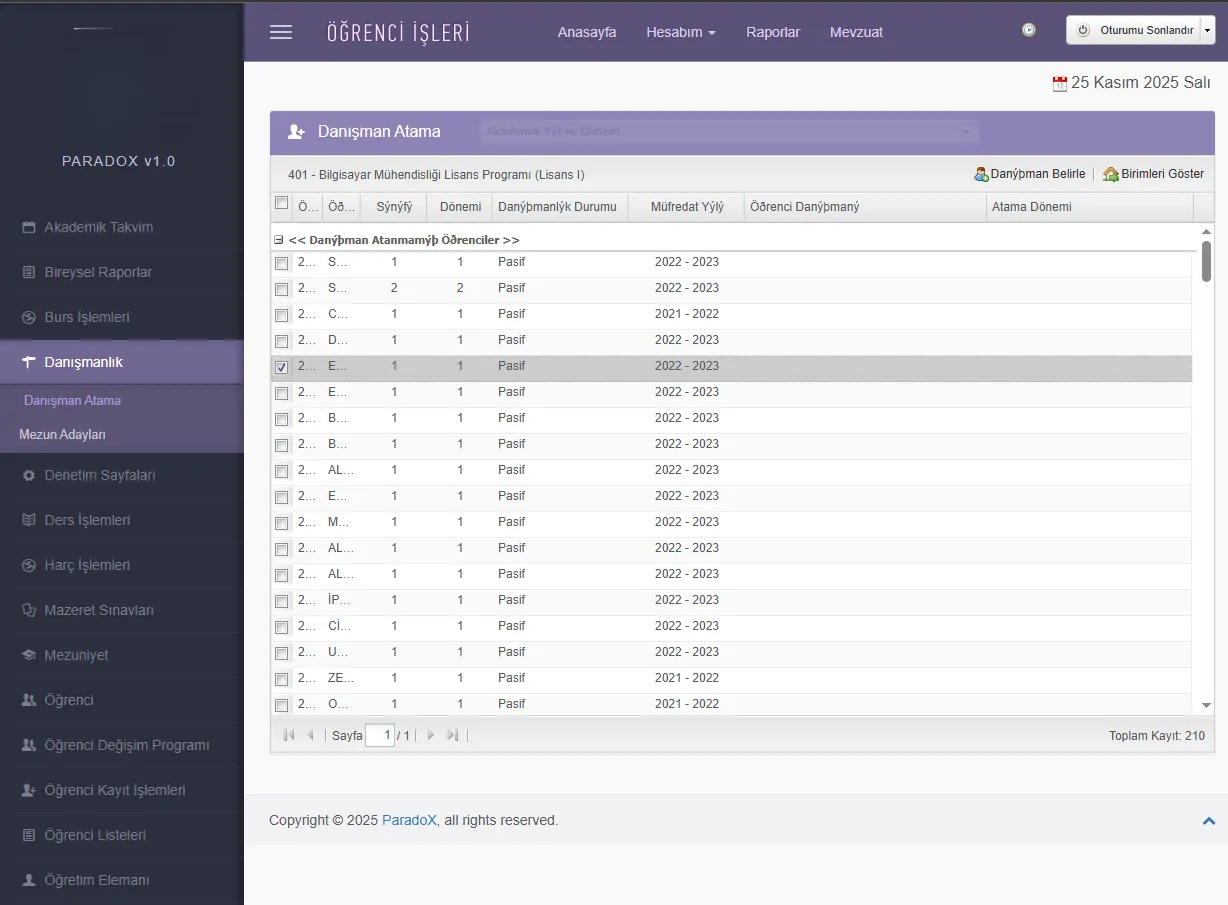
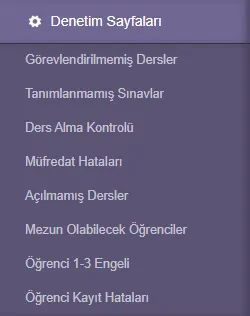
Öncelikli olarak üniversite yapısına uygun geliştirilmiştir; ancak fakülte, enstitü, meslek yüksekokulu ve benzeri yapılara sahip tüm kurumlarda kullanılabilecek esnek bir mimariye sahiptir.
Not görüntüleme, ders alma, devamsızlık takibi, anketlere katılım, belge başvurusu, ders programı ve sınav takvimi görüntüleme gibi birçok işlem öğrenci panelinden yapılabilir.
Kayıt ve ders alma istatistikleri, başarı oranları, mezuniyet verileri, ders bazlı ve program bazlı performans raporları, stratejik plan ve kalite süreçleri için gerekli özet ve detay raporlar üretilebilir.